
CSSL Partners with FAOSL to Develop a REDD+ Communications Strategy for Sierra Leone
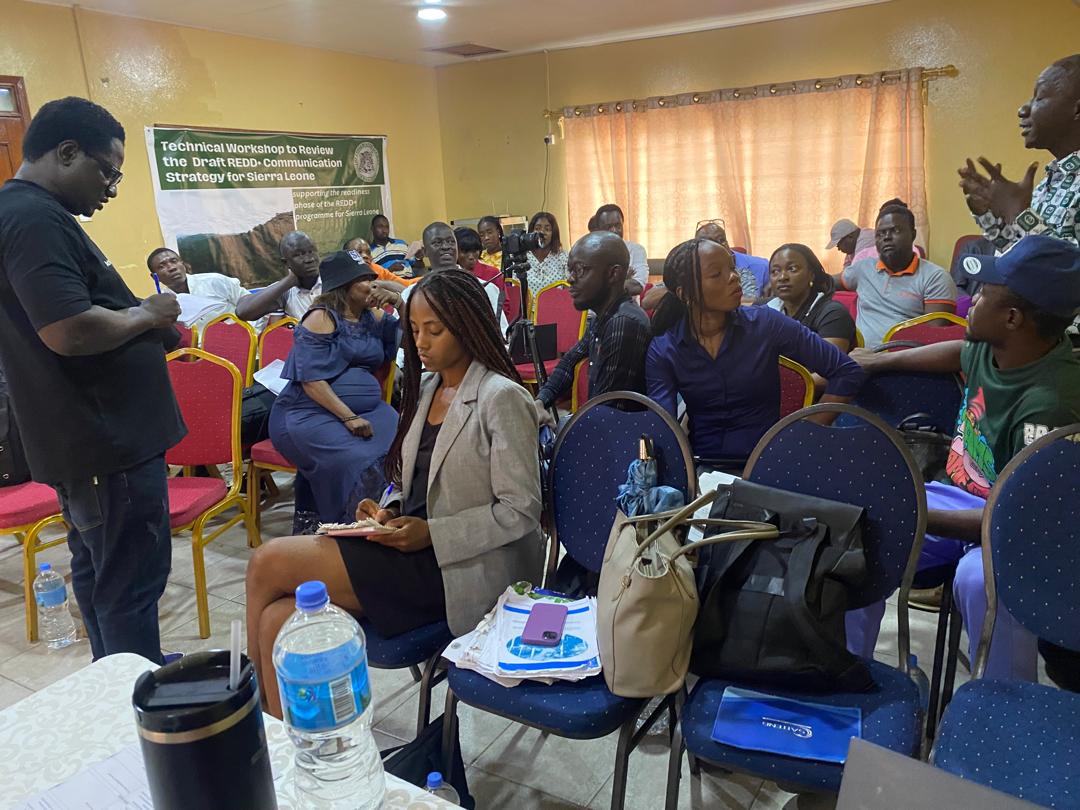
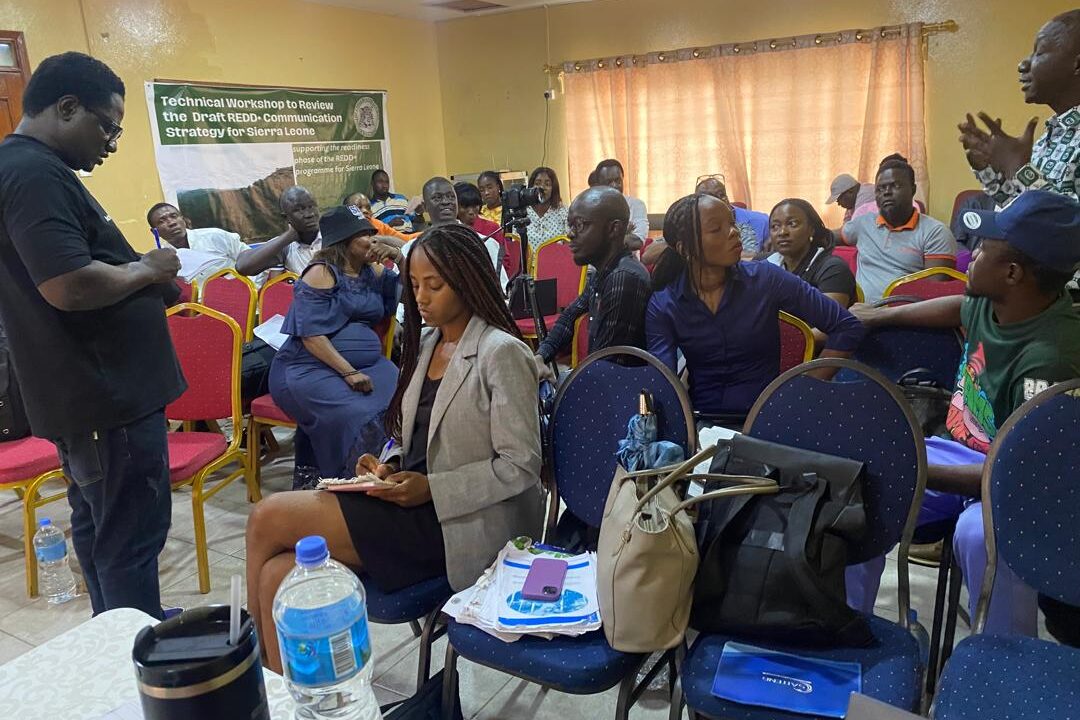
The Conservation Society of Sierra Leone (CSSL), in collaboration with the Food and Agriculture Organisation in Sierra Leone (FAOSL), concluded two separate technical workshops for key stakeholders on 17th and 24th September 2025 to develop a draft REDD+ (Reducing Emissions from Deforestation and Degradation) Communications Strategy for Sierra Leone. The sessions were held at CCSL and CHASL conference rooms respectively in Freetown, and brought together key stakeholders, including representatives from local communities, civil society organisations and the REDD+ Technical Committee to ensure the document is inclusive, practical and aligned with the national climate and forest governance priorities.
The REDD+ programme is a relatively new initiative in most parts of Sierra Leone and therefore, requires sustained engagements, consultations and awareness for all stakeholders, including communities to enable them to fully understand its objectives towards sustainable forest management and community development. Achieving this requires a communications strategy that provides a strategic framework to manage and coordinate the wide variety of communication activities that will be rolled out during all phases of programme implementation. The strategy will provide a clear roadmap for all communication activities in order to facilitate the achievement of the programme objectives. The process of developing the strategy includes hiring a Communication Consultant, Dr. Francis Sowa, by FAOSL who had already developed a zero draft of the document that required inputs from relevant key stakeholders.
In both engagements, Abdul Kaprr Dumbuya, Communications Manager at CSSL, empahsised the importance of incorporating feedback and comments from stakeholders to strengthen the final draft. “The validation will not be successful if we do not have a document that everyone accepts”, he said. The strategy must reflect Sierra Leone’s social, economic, cultural and traditional values, allowing people to understand and own the work of REDD+. Dumbuya highlighted the vital role communities play in the implementation of the strategy, stressing that community stakeholders must be fully engaged in developing culturally sensitive messages. “When communities are involved in designing and delivering messages, they take ownership of the process and conservation becomes part of their identity”, he added. The workshop also addressed the need to manage misinformation and disinformation surrounding REDD+. “This strategy will help manage misinformation by ensuring that communities receive clear, accurate and reliable information about REDD+, its benefits and potential challenges.
During the first session, Dr. Francis Sowa presented the zero draft and solicited technical input from participants which he integrated into the strategy for review. He leveraged on the stakeholders’ technical expertise while presenting the first draft for review. He outlined specific activities, timelines, responsible individuals and institutions, and monitoring and evaluation mechanisms. Dr. Sowa emphasised the importance of grassroots approaches such as door-to-door awareness campaigns, and community groups, among others in effectively disseminating information.
Musa Septimus Koroma, Environment and Safeguards Specialist, and a member of the Project Implementation Unit at the Food and Agriculture Organisation (FAO) in Sierra Leone, represented the National REDD+ Technical Coordinator at FAO, Dr. Gbessay Ehlogima Sam Momoh in both engagements. He commended participants for their commitment for environmental protection and forest governance. He stressed that the strategy should be action-oriented and culturally sensitive, and the key messages should be translated into local languages to ensure the communities understand and own the process. “Protecting our forests is not just about conservation; it is also about preserving our natural heritage, tackling climate change, and ensuring sustainable development,” Koroma noted.
Ansumana Babar Turay, Chairman of the National Technical Committee, said communication is very important for the success of every stage of the REDD+ project. “Obviously, we cannot develop this document without the support of all of the key stakeholders, including local communities”, he emphasised.
Stakeholders from various districts also made contributions to strengthen the communication strategy and ensure that the tools and plan reflect the realities of local communities across the country.